

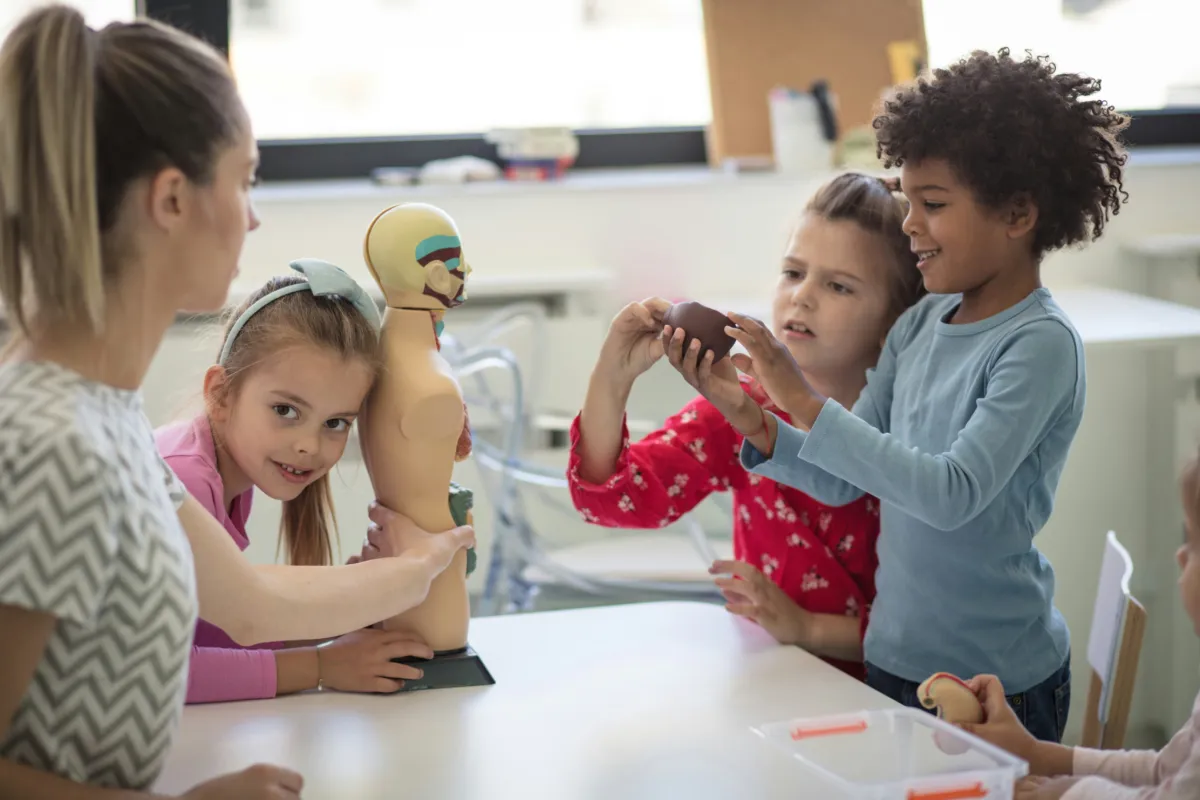
Helping Your ADHD Child Improve Social Skills and Make Friends

Effective ADHD Parenting Tips: Managing Behavior and Emotional Regulation at School

3-Minute Daily Practice for Back-and-Forth Talk
How ADHD Can Affect a Child’s Everyday Conversations
ADHD and Storytelling: Why Your Child May Struggle to Explain Things Clearly

Supporting Flexible Thinking in ADHD Kids Through Role Play
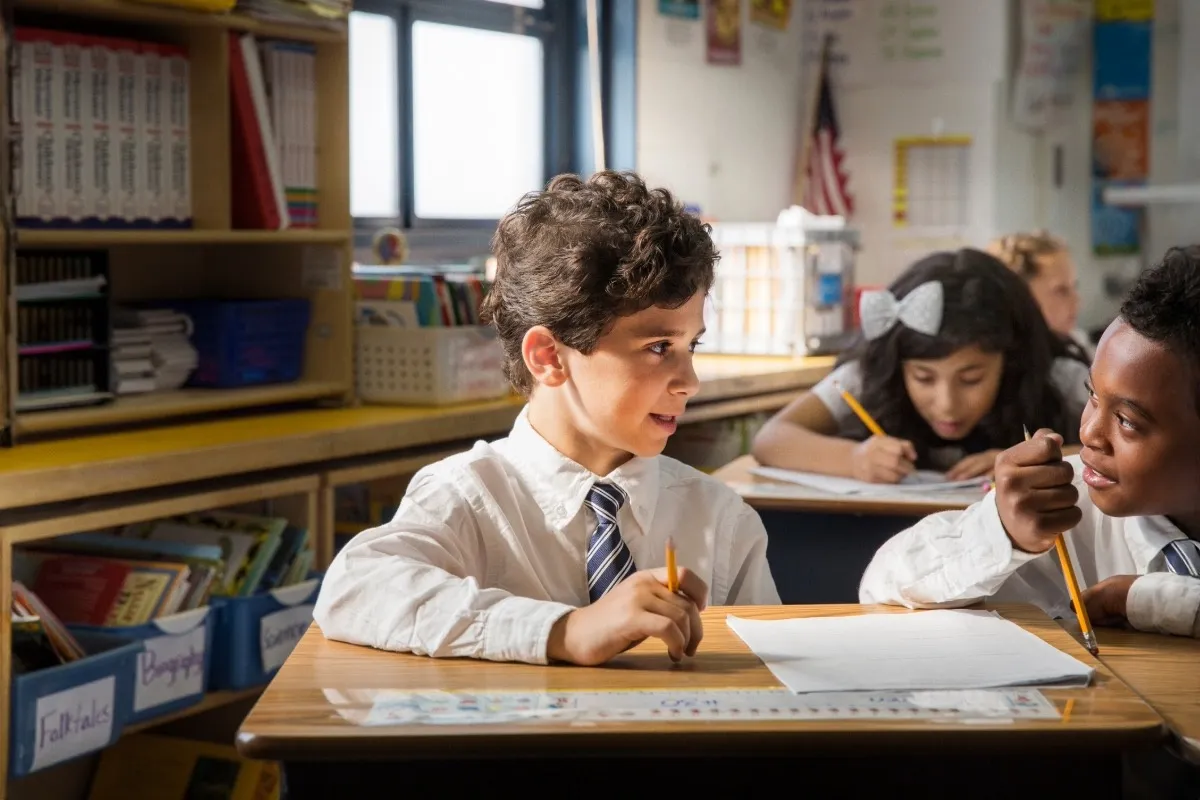
Why Kids With ADHD May Struggle With Listening in Groups

Helping ADHD Kids Understand Facial Expressions and Tone
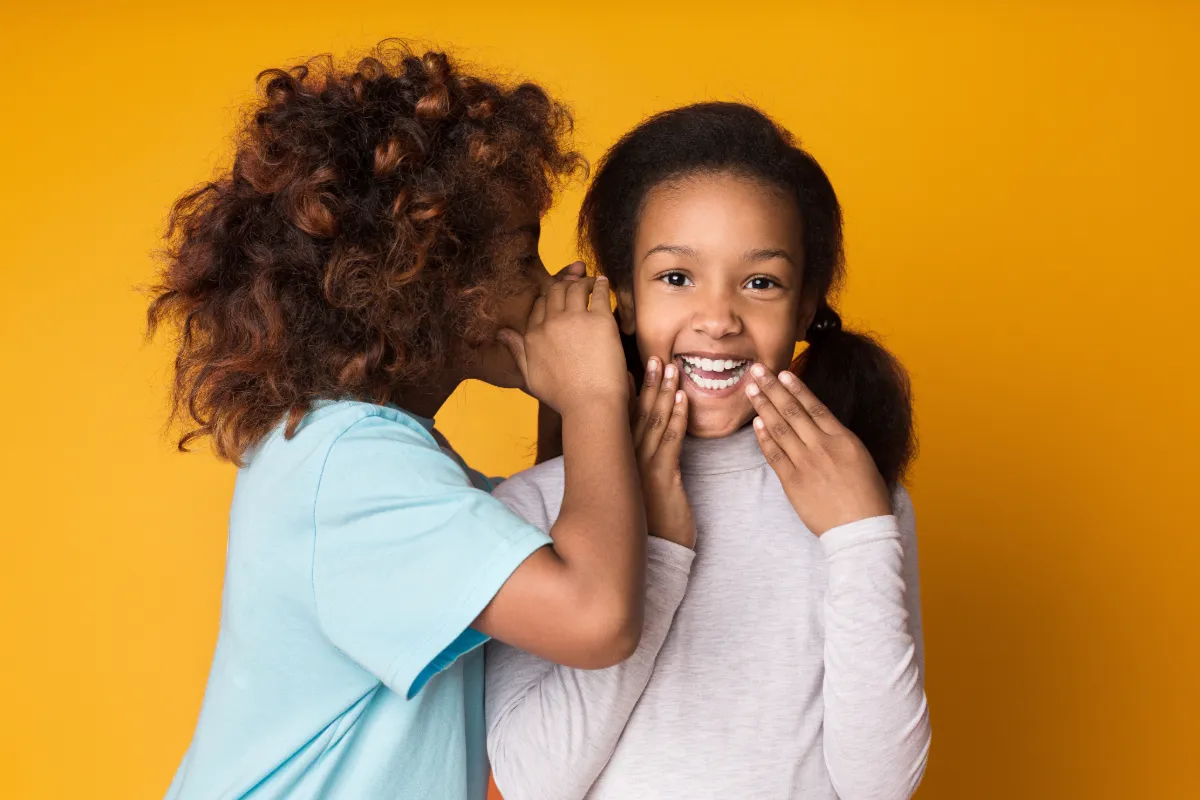
Understanding Interruptions: Why Kids With ADHD Often Talk Over Others

How to Help Kids With ADHD Navigate Group Conversations

ADHD, Listening Fatigue, and How to Break Down Instructions

ADHD and Overexcitement: Helping Kids Stay Present in Conversation

ADHD and Personal Space: Teaching Boundaries Without Shame
Teaching Kids With ADHD to Stay on Topic During Conversations
Why Transitions Are Hard for ADHD Kids (and What to Say)
Board Games That Teach Social Turns
Building Confidence in Kids Who Fear Making Social Mistakes
Building Emotion Vocabulary Beyond 'Happy' and 'Mad'
How to Build Social Confidence in Shy or Withdrawn Kids
How AI Tools Like Pingpong Help ADHD Kids Practice Social Language
How ADHD Can Impact Your Child’s Ability to “Read the Room”
Building Social Stories with Your Child
What to Do When Your Child Only Talks About Their Interests
Conversation Starters for Kids Who Don’t Know How to Begin
Creating a Safe Space for Daily Expression
5 Daily Questions to Encourage Social Thinking in Kids
How to Know If Your Child Needs a Social Skills Group
Creating Weekly Conversation Missions
Emotion Thermometers: Teaching Kids to Express Feelings
Fun Challenges: Find 3 Things to Talk About
How to Give Feedback to Kids Without Stress
How to Help a Child Who Struggles with Taking Turns in Conversation
How to Help a Child Who Gets Overwhelmed in Group Play
Helping Kids Handle Losing Games Without Meltdowns
Helping Kids Handle 'No' Without Tantrums
Helping Kids Recognize When They Hurt Someone’s Feelings
Helping Kids Recognize Their Own Body Language
Expressing Frustration Without Shouting
Helping Kids Say “I’m Sorry” and Mean It
Helping Kids Understand Others' Facial Expressions
Helping Kids Understand the Difference Between Teasing and Bullying
Home Setup Ideas for Language-Rich Interaction
Helping Siblings Become Practice Partners
How to Build Self-Awareness in Communication
How Language Delays Affect Peer Relationships
How to Coach Kids on Apologizing Without Forcing It
How to Teach Kids to 'Pause and Think' Before Speaking
Helping Kids Understand Friendship Expectations
Kindergarten Language Skills: What’s Typical and What’s Not
The Link Between Language Delays and Making Friends
How to Make Your Child the “Question Asker”
How to Model “Thinking Out Loud” for Social Awareness
Picture Prompts for Emotion-Based Discussion
Morning Routines That Encourage Interaction
Practicing Eye Contact Without Pressure
How to Practice 'Thinking About Others' with Kids
Practicing Group Talk at the Dinner Table
Practicing “I Feel” Statements Through Play
How to Play Pretend Games That Build Conversation Skills
Recognizing Early Signs of Pragmatic Language Challenges
Recognizing Social Anxiety vs. Shyness in Young Kids
How to Roleplay Emotions with Your Child
Scripts to Help Kids Ask for Help or Clarify Questions
Strategies for Kids Who Talk at the Wrong Time
5 Ways to Support Your Child's Emotional Vocabulary
Supporting Children Who Interrupt or Talk Over Others
Supporting Emotional Regulation for Kids Who Shout When Upset
How to Talk About Embarrassment with Kids
How to Support Kids Who Struggle to Join Group Conversations
Teaching Empathy to Kids with Social Struggles
Teaching Flexible Thinking to Kids Who Struggle with Change
Teaching “How Was Your Day?” with Visuals
Teaching Kids to Notice Tone of Voice in Others
Teaching Your Child to Recognize Hurt Feelings
Managing Big Feelings: Teaching Kids to Use Words First
Teaching Kids to Stay Calm During Arguments
Teaching Respectful Disagreement
How to Use Alexa/Smart Speakers for Language Practice
Using Cartoons to Build Social Cue Awareness
Using a Journal to Build Reflective Language
Using Storybooks to Build Turn-Taking in Talk
Using Toys to Practice Conversation Loops
Using Visuals to Understand Friendship Boundaries
How to Use Visual Prompts to Support ADHD Communication
Weekend Missions: Compliment 2 People
What Is Emotional Literacy and Why It’s Key
When Your Child Misreads Social Cues: What Parents Can Do
Understanding Why Your Child Shouts Instead of Talks
Why Kids Struggle with Back-and-Forth Conversations
Why Some Kids Monologue Instead of Having Conversations
Why Some Kids Repeat Phrases Instead of Having Conversations
Why Your Child Talks Fine at Home but Struggles with Peers
Why Speech Therapy Might Not Be Helping Your Child’s Social Language
Why My Child Can’t Hold a Conversation—Even After Months of Speech Therapy
How to Spot Emotion Expression Issues in Young Children
Why My Child Doesn’t Answer When Others Talk to Them
Is My Child Just Shy or Is It a Social Communication Disorder?
My Child Talks a Lot but Doesn't Listen — What’s Going On?
Signs of Pragmatic Language Delay in 5 to 8-Year-Olds
How to Know If Your Child Is Missing Social Cues
Why My Child Can Speak but Struggles with Back-and-Forth Conversations